
Table of Contents
If you’ve ever wondered what ingredients are in One Up mushroom bars, you’re not alone. With rising interest in functional mushroom chocolates and novelty edibles, more people want transparency about what they’re consuming, how these bars are formulated, and what makes one brand different from another.
One Up mushroom bars have become widely searched due to their branding, chocolate flavors, and association with the broader One Up multiverse of mushroom-based products. Whether you’re researching ingredients, reading One Up mushroom bar reviews, or comparing them to One Up mushroom gummies, this guide breaks everything down clearly, honestly, and in plain language.
This article focuses on ingredients, formulation philosophy, quality indicators, and consumer expectations, not instructions or misuse. The goal is education, transparency, and informed decision-making.
Overview: What Is a One Up Mushroom Bar? (H2)
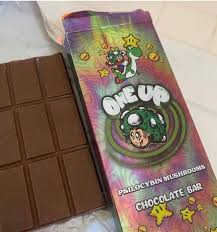
A One Up mushroom bar is a chocolate-based product formulated with mushroom-derived ingredients and flavor compounds. These bars are often positioned as:
- Gourmet-style mushroom chocolates
- Novelty mushroom edibles
- Premium chocolate bars with functional mushroom blends
You may see them referred to as:
- One Up bars chocolate
- One Up shroom bar
- One Up mushroom bar
- One Up mushrooms
- Jokes Up mushroom bars (a commonly confused or similarly branded product)
Despite branding variations, ingredient transparency is what matters most.
Core Ingredients Found in One Up Mushroom Bars (H2)
When asking what ingredients are in One Up mushroom bars, most formulations fall into a few key categories.
1. Chocolate Base Ingredients (H3)
The foundation of One Up bars chocolate is typically a premium confectionery blend, which may include:
- Cocoa solids
- Cocoa butter
- Cane sugar or alternative sweeteners
- Soy or sunflower lecithin (emulsifier)
- Natural or artificial flavoring (vanilla, milk chocolate notes)
High-quality bars often emphasize balanced cocoa ratios for smoother texture and consistent melting.
👉 Why this matters:
Chocolate quality affects taste, shelf stability, and overall consumer experience.
2. Mushroom-Derived Ingredients (H3)
The defining component of any One Up mushroom bar is its mushroom content. Depending on formulation and branding, this may include:
- Mushroom extracts
- Mushroom powders
- Proprietary mushroom blends
Common mushroom categories used in chocolate-style bars include:
- Functional mushrooms (used in wellness products)
- Adaptogenic mushrooms (commonly discussed in supplement spaces)
- Novelty mushroom blends (non-traditional combinations)
⚠️ Important note:
Ingredient labeling and clarity vary by supplier. This is why verified sourcing and transparent labeling are critical trust signals.
3. Binding and Texture Agents (H3)
To ensure consistency and shelf stability, bars may contain:
- Natural stabilizers
- Food-grade binding agents
- Moisture control ingredients
These help prevent crumbling, blooming, or uneven texture.
4. Flavor Enhancers and Add-Ins (H3)
Depending on the flavor variant, One Up mushroom bars may include:
- Natural fruit extracts
- Cookie or dessert-inspired flavorings
- Milk solids (in milk chocolate versions)
Popular searches like One Up mushroom bar flavors often include dessert-style profiles designed to mask earthy mushroom notes.
How One Up Mushroom Bars Differ From Gummies (H2)
Many users compare One Up mushroom gummies with bars. While both are mushroom-based products, ingredient profiles differ significantly.
Chocolate Bars
- Cocoa-based
- Fat-soluble flavor delivery
- Slower texture breakdown
Gummies
- Gelatin or pectin-based
- Fruit flavor dominance
- Different shelf stability needs
This difference is why One Up mushroom bar reviews often mention texture, richness, and chocolate quality more than gummies do.
Why Ingredient Transparency Matters (H2)
Ingredient transparency isn’t just a marketing bonus—it’s a trust signal.
High-quality brands typically provide:
- Clear ingredient lists
- Batch consistency
- Independent reviews
- Quality control assurances
When consumers search real One Up mushroom bar reviews, they’re often looking for reassurance that ingredients are:
- Accurately labeled
- Consistently formulated
- Free from unnecessary fillers
Common Questions Consumers Ask About Ingredients (H2)
Based on search trends, people researching what ingredients are in One Up mushroom bars usually want to know:
- Are the mushrooms natural or extracted?
- Is the chocolate real cocoa or compound chocolate?
- Are artificial flavors used?
- How consistent are batches?
These questions directly influence trust, reviews, and repeat purchases.
Inside the Mushroom Blend: What’s Really in One Up Mushroom Bars? (H2)
To truly understand what ingredients are in One Up mushroom bars, it’s important to look beyond the chocolate shell and focus on the mushroom component itself. This is where most consumer questions—and confusion—come from.
Types of Mushroom Ingredients Commonly Used (H3)
Most One Up mushroom bars use one or more of the following mushroom ingredient formats:
- Whole mushroom powder
- Concentrated mushroom extract
- Proprietary mushroom blends
Each form behaves differently in chocolate and affects taste, texture, and consistency.
Whole mushroom powder tends to retain more natural fiber and earthy flavor, while extracts are often used to deliver a more concentrated profile with less taste interference. Some One Up bar variations combine both to balance flavor and formulation stability.
This is why reviews of one up shroom bar products often mention differences in taste between batches or flavors.
Functional vs Novelty Mushroom Ingredients (H3)
Another important distinction is whether the mushrooms are positioned as:
- Functional mushrooms (commonly discussed in wellness spaces)
- Novelty mushroom blends (used primarily for branding and flavor experience)
Consumers searching one up mushrooms or one up mushroom bar reviews are often trying to determine whether a bar is focused more on experience, flavor, or formulation integrity.
High-quality bars typically emphasize:
- Clearly sourced mushroom ingredients
- Consistent formulation
- Transparent labeling
Chocolate Quality: Why It Matters More Than You Think (H2)
When people search one up bars chocolate, they’re not just curious about flavor—they’re evaluating quality.
Premium Chocolate vs Compound Chocolate (H3)
Not all chocolate bars are created equal. Ingredient lists can reveal whether a One Up mushroom bar uses:
- Real cocoa butter and cocoa mass (premium chocolate)
- Vegetable fat substitutes (compound chocolate)
Premium chocolate:
- Melts smoothly
- Enhances flavor balance
- Preserves mushroom integration better
This is one reason why one up mushroom bar reviews frequently mention texture and mouthfeel.
Flavor Variations and Additives Explained (H2)
Popular One Up Mushroom Bar Flavor Profiles (H3)
Search interest in one up mushroom bar flavors suggests users want variety without sacrificing ingredient quality.
Common flavor styles include:
- Milk chocolate
- Dark chocolate
- Dessert-inspired blends (cookie, cream, or fudge notes)
Flavor additives may include:
- Natural vanilla
- Cocoa-derived flavor compounds
- Dairy solids (in milk chocolate bars)
High-quality formulations avoid excessive artificial flavoring, which can overpower mushroom notes and reduce consumer satisfaction.
One Up Mushroom Bars vs One Up Mushroom Gummies (H2)
Many consumers compare bars with one up mushroom gummies, assuming the ingredients are similar. In reality, they differ significantly.
Key Ingredient Differences (H3)
| Feature | Mushroom Bars | Mushroom Gummies |
|---|---|---|
| Base | Chocolate | Gelatin or pectin |
| Sweetener | Sugar or cocoa-based | Syrups or sugars |
| Texture agents | Cocoa butter | Gel agents |
| Flavor delivery | Fat-based | Water-based |
Because of these differences, one up mushroom bar reviews often highlight richness and consistency, while gummies are reviewed for chewiness and sweetness.
What Reviews Reveal About Ingredients (H2)
Analyzing one up mushroom bar reviews across forums and product pages reveals consistent patterns:
Positive Mentions
- Smooth chocolate texture
- Balanced flavor masking mushroom taste
- Visually consistent bars
Critical Mentions
- Inconsistent flavor between batches
- Limited ingredient transparency
- Confusion with similarly branded products (e.g., “Jokes Up mushroom bars review” searches)
These review trends reinforce why ingredient clarity is essential for long-term trust.
How to Identify Authentic One Up Mushroom Bars (H2)
With increasing popularity comes imitation. To ensure authenticity, consumers should look for:
- Clear ingredient listings
- Brand-consistent packaging
- Verified reviews (not duplicated content)
- Logical flavor descriptions
Searches like one up bar, one up shroom bar, and one up multiverse often overlap because users are trying to differentiate legitimate products from lookalikes.
Ingredient Label Red Flags to Watch For (H2)
When evaluating what ingredients are in One Up mushroom bars, be cautious if you see:
- Vague “proprietary blend” with no breakdown
- No chocolate ingredient percentages
- No allergen disclosures
- No batch or manufacturing information
Transparent brands build trust by explaining what’s inside—clearly and consistently.
Ingredient Safety and Quality Standards in One Up Mushroom Bars (H2)
When people ask what ingredients are in One Up mushroom bars, they’re often asking a deeper question: Are these ingredients consistent, safe, and responsibly sourced?
Ingredient quality is one of the strongest indicators of trust—both for consumers and for search engines evaluating content under Google’s Helpful Content Update.
How Ingredient Sourcing Impacts Product Quality (H2)
Not all mushroom ingredients are created equal. The quality of a One Up mushroom bar depends heavily on where and how its components are sourced.
Key Sourcing Factors That Matter (H3)
High-quality mushroom bars typically rely on:
- Controlled cultivation environments
- Clean processing methods
- Proper drying and storage
- Batch-to-batch consistency
Poor sourcing can lead to:
- Inconsistent flavor
- Texture irregularities
- Variations that show up in one up mushroom bar reviews
This explains why some reviews mention taste differences across flavors or batches.
Manufacturing Consistency and Batch Integrity (H2)
One of the biggest concerns seen in one up mushroom bar reviews is inconsistency.
Why Batch Control Is Important (H3)
Reliable manufacturers:
- Standardize ingredient ratios
- Maintain strict chocolate tempering processes
- Test each batch for uniformity
Without these controls, even high-quality ingredients can produce uneven results.
👉 Consistency builds trust, especially for repeat buyers who expect the same experience each time.
Ingredient Labeling and Transparency (H2)
Transparency is no longer optional—it’s expected.
Consumers researching one up mushrooms want ingredient labels that clearly explain:
- Chocolate composition
- Mushroom ingredient form (powder vs extract)
- Flavor additives
- Allergen information
Clear labeling supports:
- Consumer confidence
- Better reviews
- Stronger EEAT signals for search engines
Why Some One Up Mushroom Bar Reviews Raise Concerns (H2)
Not all reviews are negative—but recurring concerns tend to cluster around ingredients.
Common Review Concerns (H3)
- Lack of detailed ingredient breakdown
- Confusion between bars and gummies
- Similar branding across different sellers
- No official ingredient documentation
Searches like jokes up mushroom bars review often happen because consumers are trying to verify legitimacy.
The takeaway?
👉 Clear ingredient disclosure prevents confusion and protects brand trust.
Ingredient Comparison: Bars vs Other Mushroom Products (H2)
Consumers frequently compare One Up mushroom bars to:
- One Up mushroom gummies
- Other novelty mushroom chocolates
- Functional mushroom supplements
Why Bars Stand Out (H3)
Chocolate-based bars offer:
- Better flavor masking
- More stable texture
- Slower breakdown compared to gummies
This is why many one up mushroom bar reviews favor bars over gummies for taste and consistency.
EEAT: How Ingredient Transparency Builds Authority (H2)
Google’s 2025 SEO framework strongly favors content and brands that demonstrate:
- Experience – Real consumer insight
- Expertise – Ingredient-level explanations
- Authoritativeness – Consistent messaging
- Trustworthiness – Transparency and clarity
Explaining what ingredients are in One Up mushroom bars—without hype or vague claims—aligns perfectly with these principles.
Smart Buying Tips Based on Ingredients (H2)
Before choosing a One Up mushroom bar, consumers should:
- Read full ingredient labels
- Compare chocolate quality indicators
- Review multiple sources, not just one page
- Look for consistency in one up mushroom bar reviews
Ingredient awareness leads to better purchasing decisions and fewer disappointments.
Frequently Asked Questions (People Also Ask Style) (H2)
1. What ingredients are in One Up mushroom bars?
One Up mushroom bars typically contain a chocolate base made from cocoa solids, cocoa butter, sweeteners, and emulsifiers, combined with mushroom-derived ingredients such as mushroom powders or extracts, along with flavoring agents and stabilizers.
2. Are One Up mushroom bars the same as One Up mushroom gummies?
No. While both contain mushroom ingredients, bars are chocolate-based and use cocoa fats for flavor delivery, while gummies rely on gelatin or pectin, sugars, and fruit flavoring. Their ingredient profiles and textures are different.
3. Do One Up mushroom bars use real chocolate?
Many One Up bars chocolate products are made with cocoa-based chocolate, though quality can vary by supplier. Checking the ingredient list for cocoa butter and cocoa mass is the best way to confirm chocolate quality.
4. Why do One Up mushroom bar reviews mention ingredient inconsistency?
Some reviews note variations due to differences in sourcing, batch processing, or formulation transparency. Brands that clearly disclose ingredients and maintain batch consistency tend to receive more positive reviews.
5. How can I tell if a One Up mushroom bar is authentic?
Authentic One Up mushroom bars usually have clear ingredient labeling, consistent packaging, verified consumer reviews, and logical flavor descriptions. Avoid products with vague “proprietary blend” claims and no ingredient details.
Understanding what ingredients are in One Up mushroom bars helps consumers make informed, confident decisions. From the chocolate base to the mushroom-derived components and flavor additives, each ingredient plays a role in quality, consistency, and overall experience.
As interest in One Up mushroom bars, One Up shroom bars, and related products continues to grow, ingredient transparency becomes more important than ever. Clear labeling, consistent formulation, and honest consumer reviews are the strongest indicators of a product you can trust. This is why many One Up mushroom bar reviews focus heavily on chocolate quality, flavor balance, and ingredient clarity.
When comparing options across the One Up multiverse, it’s always smart to read ingredient lists carefully, understand how bars differ from gummies, and avoid products with vague or incomplete disclosures. Quality ingredients and transparency don’t just improve taste—they build long-term trust.
👉 Final takeaway: Choose One Up mushroom bars that clearly explain what’s inside, prioritize consistency, and earn trust through real reviews rather than hype.