
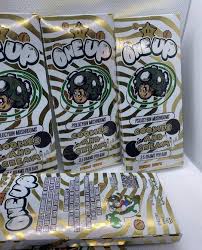
Psilocybin mushroom chocolate bars sit at a unique intersection of cultural forces: a genuine scientific renaissance in psychedelic medicine, a booming wellness industry eager to capitalize on it, and a regulatory environment that has not yet figured out what to do with either. The result is a consumer product market that is largely unregulated, inconsistently labeled, and consumed by an audience that ranges from medically informed adults making considered choices to curious teenagers who stumbled across it on social media.
This guide takes that full range of consumers seriously. It provides accurate scientific information, honest risk assessment, practical harm reduction guidance, and a clear-eyed look at the difference between the legitimate clinical research that has made psilocybin famous and the gray-market products that have borrowed that reputation. Whatever your situation, you deserve accurate information — and that is what this guide provides.
1. What Are Psilocybin Mushroom Chocolate Bars?
Psilocybin mushroom chocolate bars are edible products that combine chocolate — typically dark or milk chocolate — with psilocybin-containing material, most commonly finely ground dried psilocybin mushrooms or psilocybin extract. The chocolate format is not incidental. It serves specific and deliberate purposes: masking the notoriously unpleasant taste of dried psilocybin mushrooms, making the product more approachable and less obviously “drug-like,” enabling discreet consumption, and creating a consumer product that looks like something you might buy at a premium chocolate shop.
The active compound — psilocybin — is a naturally occurring psychedelic prodrug found in approximately 200 species of mushrooms worldwide, most commonly in the genus Psilocybe. Psilocybin itself is pharmacologically inactive; when ingested, it is rapidly converted by the body’s enzymes into psilocin, which crosses the blood-brain barrier and produces the compound’s psychoactive effects by acting as a partial agonist at serotonin receptors, primarily 5-HT2A receptors in the prefrontal cortex.
The key distinction that matters for this guide: psilocybin mushroom chocolate bars sold through gray-market and underground channels are fundamentally different from the psilocybin used in clinical research settings, despite containing the same active compound. The differences — in dosing precision, quality control, consumption context, and support structures — are so significant that they produce effectively different risk profiles. We will return to this distinction throughout the guide because it is essential for interpreting both the science and the safety information accurately.
200+Mushroom species worldwide containing psilocybin
200%Increase in psilocybin-related poison control calls between 2018–2022
$0Cost of a specific antidote — none exists for psilocybin overdose
2. How They Are Made — and Why That Matters
Understanding how psilocybin chocolate bars are produced in the gray market is essential for understanding their risks. Unlike pharmaceutical products or even regulated cannabis edibles, gray-market psilocybin chocolates are produced without standardized manufacturing processes, quality control testing, or regulatory oversight of any kind.
The Production Process
Most gray-market psilocybin chocolate bars are produced using one of two methods. The first and more common involves grinding dried psilocybin mushrooms into a fine powder and incorporating that powder into melted chocolate before it is molded and set. The second involves creating a psilocybin extract — typically by soaking mushroom material in a solvent, filtering, and reducing — and incorporating the resulting concentrated extract into the chocolate.
Both methods have the same fundamental problem: achieving uniform distribution of psilocybin throughout the chocolate is technically challenging and rarely achieved in practice. Psilocybin and the other compounds present in mushroom powder or extract do not distribute evenly through chocolate when mixed by hand or with simple equipment. The result is the same hotspot problem documented for K2 spray: some portions of the chocolate contain significantly more psilocybin than others, and there is no reliable way to know which portion you are eating.
The Potency Variability Problem
Psilocybin content in dried mushrooms is itself highly variable — between species, between strains within a species, between cultivation batches, and even between individual mushrooms in the same batch. Psilocybe cubensis — the most commonly cultivated species and the most common source for gray-market products — typically contains between 0.5% and 2% psilocybin by dry weight, meaning a 3.5-gram portion could contain anywhere from 17.5mg to 70mg of psilocybin. That is a fourfold variation in potency for what appears to be an identical product.
When variable-potency mushroom material is unevenly distributed in a chocolate bar, the result is a product where two people eating the same amount from the same bar may receive dramatically different doses — and where the same person eating from the same bar on two separate occasions may have dramatically different experiences.
The Hotspot Warning
Independent laboratory testing of gray-market psilocybin chocolate bars has found psilocybin content ranging from near zero to more than three times the labeled dose within single products. A square of chocolate that looks identical to the square you ate last time may contain several times the psilocybin. This is not a theoretical risk — it is the primary mechanism behind accidental overdoses and emergency room presentations involving psilocybin edibles.
3. The Science: What Psilocybin Actually Does
Psilocybin is one of the most studied psychedelic compounds in history, and the past fifteen years have produced a body of clinical evidence that is genuinely remarkable. Understanding what psilocybin does — and does not do — in the brain and body is essential for accurate risk assessment.
Mechanism of Action
As noted above, psilocybin is converted to psilocin in the body, which acts primarily as a partial agonist at serotonin 5-HT2A receptors. These receptors are found throughout the brain but are particularly dense in the prefrontal cortex, which governs executive function, self-referential thought, and emotional regulation. Activation of these receptors by psilocin produces profound changes in brain network connectivity — specifically, it disrupts the Default Mode Network (DMN), the brain network associated with self-referential thinking, rumination, and the maintenance of a stable sense of self.
The disruption of the DMN is thought to be central to psilocybin’s therapeutic effects: by temporarily dissolving habitual patterns of self-referential thought — including the rumination patterns associated with depression and the rigid thought patterns associated with addiction — psilocybin may create a window of neuroplasticity in which new cognitive and emotional patterns can form. This is the mechanistic basis for the therapeutic research findings, and it is also the basis for the more profound or frightening aspects of the psychedelic experience at higher doses.
What Clinical Research Has Found
The clinical evidence for psilocybin is more substantial than for almost any other substance currently under investigation in psychiatry. Key findings from peer-reviewed research include: significant and durable reduction in treatment-resistant depression (Johns Hopkins, Imperial College London, multiple replications); substantial improvement in end-of-life anxiety and existential distress in terminally ill patients (NYU, Johns Hopkins); high rates of tobacco cessation maintained at 12-month follow-up (Johns Hopkins); and meaningful reduction in alcohol consumption and craving (NYU).
These findings are real. They are reproducible across independent research groups. The FDA has granted psilocybin Breakthrough Therapy designation for both treatment-resistant depression and major depressive disorder — one of the most significant regulatory recognitions available for a drug in development. The science supporting therapeutic psilocybin use is not fringe or contested. It is mainstream psychiatry’s most exciting frontier.
What Clinical Research Does Not Show
Clinical research on psilocybin does not show that psilocybin is safe to use in any context, at any dose, without preparation or support. Every clinical study producing positive results has used carefully screened participants, precisely measured doses of pharmaceutical-grade psilocybin, prepared participants through multiple sessions, administered the compound in a specifically designed therapeutic environment with two trained therapists present, and provided multiple integration sessions afterward. The positive outcomes are inseparable from this context. The compound alone does not produce therapeutic outcomes — the compound in context does.
4. The Edible Problem: Why Chocolate Format Is Uniquely Risky
Every route of psilocybin administration has its own risk profile, but the edible format — and chocolate bars specifically — introduces several risk factors that are either absent or significantly less severe with other consumption methods.
Delayed and Variable Onset
When psilocybin is incorporated into chocolate, it must be digested and metabolized before effects begin. This process is slower and more variable than consuming dried mushrooms directly. On an empty stomach, onset may begin in 30–45 minutes. After a meal, onset may be delayed to 90 minutes or more. This delay is the most common single cause of accidental overdose: a person who does not feel effects after an hour assumes the dose was insufficient, consumes more, and then experiences the combined effects of both doses arriving simultaneously.
The fat content of chocolate may also affect absorption. Psilocybin is not fat-soluble, but the fat in chocolate can slow gastric emptying and affect the rate of absorption in ways that are not consistent between individuals or between eating occasions for the same individual.
The Palatability Trap
The deliberate palatability of chocolate creates a specific risk that does not exist for dried mushrooms: it is easy to eat too much, too fast. Dried psilocybin mushrooms are unpleasant to eat — their taste and texture create a natural brake on consumption that somewhat moderates the rate of intake. Chocolate has no such brake. A person who is anxious, impatient, or simply enjoys chocolate may eat significantly more than intended before any effects are felt, then spend the next several hours managing a far more intense experience than they anticipated.
The Appearance Problem
Psilocybin chocolate bars that are visually indistinguishable from ordinary chocolate create serious risks for non-consenting exposure. Cases of people unknowingly consuming psilocybin chocolate — given to them without disclosure, accessed accidentally, or consumed by children who found it stored alongside regular food — are documented and increasing. The consequences of an unexpected, unprepared psilocybin experience — particularly for children, for people with undisclosed psychiatric vulnerabilities, or for people in environments where the experience cannot be safely managed — can be severe and lasting.
The Golden Rule of Edible Psilocybin
Always wait a minimum of 90 minutes after consuming any psilocybin edible before considering whether the dose was insufficient. The most dangerous decision a person can make with psilocybin chocolate is to take a second dose because the first “isn’t working.” It is working. It just hasn’t arrived yet.
5. Dosage, Potency & The Mislabeling Crisis
Dosage is the single most important variable in any psilocybin experience — more important than setting, mindset, or prior experience. The difference between a microdose that produces no perceptual effects and a dose that produces full ego dissolution is not a matter of degree; it is a qualitative difference in the nature of the experience. Understanding how psilocybin dosing works — and how thoroughly gray-market labeling fails to communicate it accurately — is essential information for anyone considering these products.
Psilocybin Dose-Response Framework
| Level | Psilocybin (mg) | Dried Mushroom Equiv. | Typical Effects |
|---|---|---|---|
| Microdose | 0.5 – 2mg | ~0.1 – 0.3g | Sub-perceptual. Mild mood lift, enhanced focus. No hallucinations. |
| Low | 2 – 5mg | ~0.3 – 0.75g | Subtle perceptual shifts. Light euphoria. Manageable for most. |
| Moderate | 5 – 15mg | ~0.75 – 2g | Clear psychedelic effects. Visual enhancement, emotional depth. Set and setting critical. |
| Strong | 15 – 25mg | ~2 – 3.5g | Intense experience. Ego softening. Requires preparation and trusted environment. |
| Very Strong | 25mg+ | 3.5g+ | Full ego dissolution possible. Only experienced users in controlled settings. |
What Gray-Market Labels Actually Mean
Most gray-market psilocybin chocolate bars are labeled in grams of mushroom equivalent rather than milligrams of psilocybin, and the labeling is frequently inaccurate. Independent laboratory testing of gray-market psilocybin chocolate products has found: products labeled as containing 3.5g equivalent that actually contained between 0.8g and 6.2g equivalent; products where psilocybin content varied by more than 300% between squares of the same bar; and products with no detectable psilocybin whatsoever — either fraud or degradation during storage.
A 2023 analysis of gray-market psilocybin products found that fewer than 20% of tested products contained psilocybin content within 20% of the labeled amount. The majority were either significantly under- or over-labeled, and several contained no psilocybin at all — substituting other compounds that produced some effect but were not what was represented.
6. What the Experience Looks Like Across Dose Levels
Understanding what to expect from different dose levels is important both for people who are considering using psilocybin and for people who may need to support someone else through an unexpected or difficult experience. The experience of psilocybin is profoundly dose-dependent and also significantly influenced by individual neurobiology, mindset, and environment.
Onset Phase (30–90 Minutes)
The onset phase — from consumption to the beginning of noticeable effects — is typically characterized by physical sensations before psychological ones. Common onset experiences include yawning, mild nausea, a sensation of heaviness or lightness in the body, and a building awareness that something is changing. Some people experience significant anxiety during onset, particularly if they are uncertain about the dose they consumed or uncomfortable with the idea of losing some degree of control. This onset anxiety typically resolves as the experience develops, but it can be intense in the moment.
Come-Up Phase (60–120 Minutes)
The come-up is the transitional phase during which effects intensify from the first perceptual changes to the full expression of the experience. Visual effects often begin during this phase — enhanced color saturation, the appearance of movement in static surfaces, and geometric patterns visible when eyes are closed. Emotional content amplifies, and the quality of the experience often reflects the emotional material the person brings to it. Laughter, awe, and euphoria are common at moderate doses; anxiety, paranoia, and confusion are possible at any dose and become more likely at higher doses.
Peak Phase (2–3.5 Hours)
The peak of a psilocybin experience typically occurs 2–3.5 hours after consumption of an edible (slightly earlier with direct mushroom ingestion). At moderate doses, the peak often involves a profound sense of interconnectedness, emotional openness, and perceptual richness that many users describe as among the most meaningful experiences of their lives. At higher doses, the peak may involve ego dissolution — the temporary dissolution of the sense of self as a bounded, separate entity — which can be either transcendent or terrifying depending on the individual and context.
Come-Down and Afterglow (4–8 Hours)
The come-down from psilocybin is typically gentle and gradual, unlike the abrupt returns of some other psychedelic compounds. Most users feel substantially returned to baseline by 5–6 hours, often with a warm, reflective quality — the “afterglow” — that can persist for hours or days. This afterglow period, characterized by increased emotional openness, reduced defensiveness, and heightened sense of meaning, is considered by researchers to be an important window for integration of the experience.
7. Mental Health Risks and Who Should Not Use Them
Psilocybin is not equally risky for everyone. Individual factors — particularly psychiatric and family history — significantly influence the risk of serious adverse psychological outcomes. Understanding these risk factors is not about creating unnecessary fear. It is about ensuring that people who are at elevated risk for serious harm have the information they need to make genuinely informed decisions.
Personal Psychosis History
Anyone with a personal history of schizophrenia, schizoaffective disorder, or psychotic episodes should not use psilocybin outside of carefully supervised medical contexts. Psilocybin can trigger and exacerbate psychotic episodes. This is among the clearest contraindications in the literature.
Family History of Psychosis
A first-degree family history of schizophrenia or bipolar disorder with psychotic features significantly elevates the risk of psilocybin-precipitated psychosis, even in individuals who have never personally experienced psychiatric symptoms. The genetic vulnerability is real and not visible until triggered.
Bipolar Disorder
Psilocybin can trigger manic episodes in people with bipolar disorder. Cases of psilocybin use precipitating manic episodes requiring hospitalization have been documented in clinical literature. People with bipolar disorder should approach psilocybin only in supervised therapeutic contexts if at all.
Active Suicidality
While psilocybin shows promise for treatment of depression, consuming it in an uncontrolled context while experiencing active suicidal ideation is dangerous. The emotional amplification of the psilocybin experience can intensify distress in people who are already in crisis.
Adolescents
The developing brain — particularly through age 25 — is more vulnerable to lasting disruption from significant serotonin system perturbation. Long-term cognitive and psychiatric effects from psilocybin use during adolescence are not well characterized but are a genuine concern.
HPPD Risk
Hallucinogen Persisting Perception Disorder — persistent visual disturbances including visual snow, afterimages, and halos — is a rare but real complication of psychedelic use. Risk factors include high-dose use, polydrug use, and pre-existing anxiety. It can be long-lasting and distressing.
8. Drug Interactions and Medical Contraindications
Psilocybin interacts with several commonly used medications in ways that range from reducing efficacy to creating genuine danger. These interactions are not widely known outside of clinical research contexts and are essentially never communicated through gray-market product labeling.
SSRIs and SNRIs
Selective serotonin reuptake inhibitors (SSRIs) — fluoxetine, sertraline, escitalopram, and others — are the most commonly prescribed antidepressants worldwide. Chronic SSRI use causes downregulation of serotonin receptors, including the 5-HT2A receptors that psilocin primarily activates. The practical effect is that SSRIs significantly blunt or entirely eliminate psilocybin’s effects. People taking SSRIs who try psilocybin chocolate bars and notice little or no effect may increase their dose substantially trying to “feel something,” potentially consuming amounts that would be overwhelming if their receptor sensitivity were not suppressed — or that overwhelm even their suppressed system.
Lithium
The combination of lithium — used for bipolar disorder — and psilocybin has been associated with seizures and serious adverse events in case reports. This combination is considered a hard contraindication. Anyone taking lithium should not use psilocybin.
MAOIs
Monoamine oxidase inhibitors — a class of antidepressants and also the mechanism of action of harmala alkaloids used in ayahuasca — significantly potentiate psilocybin by inhibiting its breakdown. Combining MAOIs with psilocybin can produce dramatically more intense and prolonged experiences than either would alone, with unpredictable results. People taking MAOI antidepressants should not use psilocybin without medical supervision.
Cannabis
Cannabis is frequently combined with psilocybin by recreational users, often to “smooth the edges” of the experience or enhance it. The combination typically intensifies the psychedelic experience significantly and can increase anxiety and paranoia, particularly at higher doses. For inexperienced users, combining cannabis with psilocybin dramatically increases the risk of an overwhelming or frightening experience.
9. Clinical Research vs. Street Products: A Critical Distinction
The reputation that psilocybin chocolate bars benefit from in the current cultural moment is borrowed almost entirely from clinical research. The media coverage of breakthrough results in treatment-resistant depression, the Michael Pollan book and documentary, the mainstream publications running sympathetic features on psychedelic therapy — all of this shapes how consumers perceive gray-market psilocybin chocolate. Understanding the gap between that reputation’s source and the product itself is essential.
“The therapeutic outcomes we see in our studies are not simply the result of psilocybin. They are the result of psilocybin in a specific context — with screened participants, preparation, therapeutic support, and integration. Remove that context and you have removed most of the medicine.”Paraphrased from published clinical research literature, 2022
Regulated Clinical Psilocybin
- Pharmaceutical-grade, precisely dosed
- Participants screened for contraindications
- Multiple preparation sessions before dosing
- Two trained therapists present throughout
- Specially designed therapeutic environment
- Music, eye shades, structured protocol
- Multiple integration sessions afterward
- Long-term follow-up and monitoring
Gray-Market Chocolate Bar
- Unknown dose, inconsistent distribution
- No screening — sold to anyone
- No preparation support
- No oversight during experience
- Environment entirely up to consumer
- No structured protocol
- No integration support
- No follow-up
This comparison is not an argument against psilocybin. The clinical research is compelling and the therapeutic potential is real. It is an argument for accuracy about what produces the outcomes the research documents. Eating a poorly labeled chocolate bar of unknown potency in an uncontrolled environment is not a replication of the therapeutic protocol that produced those outcomes. It is a fundamentally different experience with a fundamentally different risk profile.
10. Harm Reduction: For Those Who Will Use Regardless
Harm reduction is built on a recognition that some people will use substances regardless of legal status or risk information, and that providing accurate information to reduce the severity of potential harms serves the public health better than abstinence-only messaging that is ignored. If you or someone you know intends to use psilocybin chocolate bars, the following harm reduction principles represent the evidence-based consensus from the psychedelic research and harm reduction communities.
Know What You Have — Test It
Reagent testing kits (available from harm reduction organizations including DanceSafe) can confirm whether a product contains psilocybin. This will not tell you how much psilocybin is present, but it can identify whether what you have is what it claims to be — or whether it contains a different, potentially more dangerous compound.
Start Low, Wait Longer Than You Think
For any psilocybin edible from a gray-market source, treat the label as unreliable. Begin with a small test amount — half or less of what you might consider a normal dose — and wait a full 90 minutes before evaluating effects. Do not redose earlier than 90 minutes. Do not combine with cannabis or alcohol, particularly for a first or early experience with a new product.
Set and Setting
The concepts of “set” (mindset — your psychological state going into the experience) and “setting” (environment — where and with whom you are) are not soft suggestions. Research consistently shows they are determinants of outcome. A comfortable, familiar, private environment with someone you trust completely present dramatically reduces the likelihood of a difficult experience and dramatically improves outcomes if one occurs. Avoid crowded public spaces, environments where you have social obligations, or situations where you might need to manage an unexpected crisis alone.
Have a Trip Sitter
A trip sitter — a sober, trusted person who is present during the experience — is the single most important safety measure for anyone using psilocybin at moderate or higher doses. The trip sitter’s role is not to direct or interfere with the experience but to maintain a safe environment, provide reassurance if needed, and ensure that anyone who has a medical or psychiatric crisis gets prompt help. The presence of a calm, grounded person can transform a frightening experience into a navigable one.
Know When to Get Help
Most difficult psilocybin experiences resolve without medical intervention. However, seek emergency medical help immediately if someone loses consciousness, has a seizure, experiences chest pain or cardiac symptoms, is in a state of extreme terror that cannot be self-managed, or is in danger of harming themselves or others. Poison Control (1-800-222-1222) can also provide guidance.
Plan for Integration
What happens in the days and weeks after a psilocybin experience is as important as the experience itself. Journaling, discussing the experience with a trusted person, and giving yourself time and space to process what you encountered are not optional extras — they are how meaningful experiences become lasting positive changes rather than interesting memories that fade. If you experienced something disturbing or confusing, a therapist familiar with psychedelic experiences can provide valuable support.
11. Legal Status in the U.S. and Internationally
Psilocybin remains a Schedule I controlled substance under U.S. federal law — the most restrictive classification, denoting substances deemed to have no accepted medical use and high potential for abuse. This scheduling has not been revised despite the substantial body of clinical evidence to the contrary, and it creates a significant disconnect between scientific reality and legal reality.
State-Level Developments
Several U.S. states and cities have moved to decriminalize psilocybin or create regulated access frameworks. Oregon passed Measure 109 in 2020, creating a framework for licensed psilocybin service centers where trained facilitators can administer psilocybin in supervised settings. Colorado passed Proposition 122 in 2022 with similar provisions. Denver, Washington D.C., Detroit, Seattle, and several other cities have decriminalized personal possession and non-commercial sharing of psilocybin. These measures do not legalize consumer product sales — they create either decriminalization of personal use or regulated therapeutic access, not a retail market.
International Status
Internationally, psilocybin is controlled in most countries under schedules similar to or stricter than U.S. Schedule I. Notable exceptions include the Netherlands, where psilocybin-containing truffles (but not mushrooms) occupy a legal gray area and are sold openly in smart shops. Jamaica and several other countries have no specific psilocybin scheduling, making them destinations for retreat centers offering psilocybin experiences legally. Several countries including the UK and Australia are advancing regulatory frameworks for therapeutic psilocybin use, with Australia having approved psilocybin for therapeutic use in controlled medical settings in 2023.