
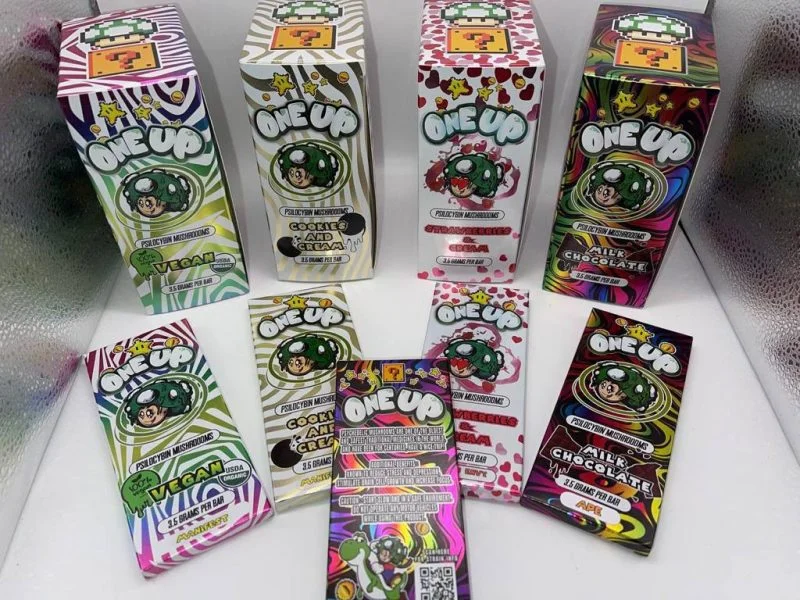
Walk into any health food store, scroll through any wellness-focused social media feed, or browse the supplement aisle of a progressive grocery chain and you will find them — chocolate bars featuring artwork of fungi, promising cognitive clarity, immune resilience, and stress relief. Functional mushroom chocolate bars have moved from niche health food curiosity to mainstream wellness product in the span of a few years. The question worth asking honestly is: what is actually behind the marketing?
This guide takes that question seriously. It explores the genuine science behind functional mushrooms — the bioactive compounds they contain, what peer-reviewed research actually shows about their effects, and where the evidence is strong versus where it is still developing. It also covers how to identify quality products in a market that has attracted significant marketing hype alongside legitimate science, and how to incorporate these products intelligently into a wellness routine.
One clarification upfront: this guide is exclusively about functional mushroom chocolates — products containing medicinal mushrooms like lion’s mane, reishi, chaga, and cordyceps. These products contain no psychoactive compounds and produce no intoxicating effects whatsoever. They are dietary supplements in chocolate form. This guide does not cover psilocybin-containing products, which are a completely different category addressed separately in other guides on this site.
1. What Functional Mushroom Chocolate Bars Are
Functional mushroom chocolate bars are confectionery products that combine high-quality chocolate — typically dark chocolate with 60–85% cacao content — with powdered or extracted material from one or more species of medicinal fungi. The fungi used in these products are not psychoactive mushrooms. They are species that have been used in traditional medicine for centuries and are now the subject of a growing body of scientific research into their potential health applications.
The “functional” descriptor distinguishes these products from ordinary chocolate. A functional food is one that provides health benefits beyond basic nutrition — it does something specific for the body beyond simply providing calories, macronutrients, or micronutrients. In the case of mushroom chocolate bars, the functional component is the mushroom extract or powder, which contains bioactive compounds including beta-glucans, terpenes, polyphenols, and other molecules with documented biological activity.
What They Are Not
Functional mushroom chocolate bars are not psychedelic products. They do not contain psilocybin, muscimol, or any other psychoactive compound. Consuming a functional mushroom chocolate bar will not produce hallucinations, altered perception, euphoria, or any other psychoactive effect. This distinction is important both for consumer understanding and because the term “mushroom chocolate” has been used in popular culture to describe both functional wellness products and illegal psilocybin-containing products — categories that are completely different in composition, effect, and legal status.
Functional mushroom chocolate bars are also not pharmaceutical products. They are dietary supplements in chocolate form. While they contain compounds with genuine biological activity supported by research, they are not drugs, have not been approved by the FDA for the treatment of any specific medical condition, and should not be used as replacements for medical treatment.
$8.3BGlobal functional mushroom market value in 2023 — projected to exceed $19B by 2030
2,000+Years of documented medicinal mushroom use in traditional medicine systems
0Psychoactive compounds in functional mushroom products — none, zero, not applicable
2. The History of Medicinal Mushrooms
The use of fungi for medicinal purposes is among the oldest documented traditions in human healthcare. Archaeological evidence and historical texts from cultures across Asia, Europe, and the Americas document mushroom use for health purposes stretching back thousands of years — making medicinal mushrooms one of the longest-standing traditions in natural medicine that is now being examined through the lens of modern science.
East Asian Traditions
The most extensive and best-documented tradition of medicinal mushroom use comes from East Asia, particularly China, Japan, and Korea. Reishi (Ganoderma lucidum) — called lingzhi in Chinese — has been used in Chinese medicine for more than 2,000 years. Classical Chinese medical texts including the Shennong Bencao Jing (Divine Farmer’s Classic of Materia Medica), dating to approximately the first century CE, describe reishi as a superior tonic that nourishes the spirit, supports the heart, and strengthens the body.
Cordyceps — a parasitic fungus that grows on caterpillar larvae in the Tibetan plateau — has been used in Tibetan and Chinese medicine for centuries as a tonic for energy, stamina, and respiratory health. Historical records describe Tibetan herders noticing that yaks grazing on cordyceps-rich pastures appeared unusually vigorous.
Lion’s mane (Hericium erinaceus), while less prominent in historical texts than reishi or cordyceps, has been used as a food and tonic in Chinese and Japanese cuisine and traditional medicine. Buddhist monks reportedly used lion’s mane to support focus and clarity during meditation.
The Scientific Era
Modern scientific investigation of medicinal mushrooms began in earnest in the mid-20th century, primarily in Japan, where researchers at institutions including the National Cancer Center Research Institute investigated the anticancer properties of mushroom polysaccharides. The identification of beta-glucans as key immunomodulatory compounds in mushrooms in the 1960s and 1970s established the first scientific framework for understanding how traditional mushroom medicines might produce their effects.
Research has expanded significantly since the 1990s, with growing interest from Western researchers, pharmaceutical companies, and the supplement industry. The emergence of specific research findings on compounds like hericenones and erinacines in lion’s mane — their potential to stimulate nerve growth factor production — generated significant scientific and popular interest in the early 2010s.
3. The Key Mushrooms: What Each One Does
Most functional mushroom chocolate bars feature one or more of four primary mushroom species, each with distinct bioactive profiles and research bases. Understanding what each brings to the product helps consumers make informed choices about which products best align with their specific wellness goals.
Lion’s Mane
Hericium erinaceus
Cognitive Support
Lion’s mane is the most research-supported mushroom for cognitive and neurological applications. It contains two unique classes of compounds — hericenones (from the fruiting body) and erinacines (from the mycelium) — that have been shown in laboratory and animal studies to stimulate the production of nerve growth factor (NGF) and brain-derived neurotrophic factor (BDNF). These proteins play critical roles in the maintenance, growth, and survival of neurons.
Clinical human trials, while still relatively limited, have shown promising results for mild cognitive impairment. A frequently cited Japanese study found significant cognitive improvements in older adults with mild cognitive impairment who supplemented with lion’s mane over 16 weeks, with benefits declining after supplementation stopped.
Evidence strength for cognitive support: Promising — strongest evidence base among functional mushrooms for neurological applications, though more large-scale human trials needed.
Reishi
Ganoderma lucidum
Adaptogen & Immune
Reishi is perhaps the most studied medicinal mushroom in the world, with an extensive research literature spanning immune modulation, stress response, sleep quality, and inflammation. Its primary bioactive compounds include beta-glucan polysaccharides and triterpenes (particularly ganoderic acids), which appear to modulate immune function and exert anti-inflammatory effects through multiple mechanisms.
Reishi is classified as an adaptogen — a substance that helps the body maintain homeostasis in response to physical and psychological stress. Human clinical studies have shown benefits for fatigue reduction and quality of life in cancer patients, improved immune markers, and sleep quality improvements. Reishi’s effects are generally calming rather than stimulating.
Evidence strength: Strong for immune modulation; moderate for stress and sleep; ongoing research for other applications.
Chaga
Inonotus obliquus
Antioxidant
Chaga is a parasitic fungus that grows primarily on birch trees in cold northern climates — Russia, Scandinavia, Canada, and northern parts of Asia. It has an exceptionally high antioxidant content, particularly betulinic acid derivatives derived from birch bark, along with polysaccharides and melanin compounds. Chaga contains one of the highest ORAC (oxygen radical absorbance capacity) scores of any natural food source.
Research has focused on chaga’s antioxidant, anti-inflammatory, and potential immune-supporting properties. Laboratory and animal studies have shown significant antioxidant activity and some anti-tumor effects. Human clinical evidence is less developed than for lion’s mane or reishi, but the antioxidant rationale is scientifically sound.
Evidence strength: Strong laboratory evidence for antioxidant activity; moderate for immune effects; limited human clinical trials.
Cordyceps
Cordyceps militaris / sinensis
Energy & Performance
Cordyceps is unique among the major medicinal mushrooms in its primary association with energy, stamina, and physical performance rather than immune or cognitive effects. Its key bioactive compounds include cordycepin (a nucleoside analog), adenosine, and polysaccharides. These compounds appear to influence cellular energy metabolism, particularly through effects on ATP production and oxygen utilization.
Research in athletes and older adults has found improvements in aerobic capacity, VO2 max, and exercise tolerance with cordyceps supplementation. It is one of the most popular supplements in athletic communities. Note that most commercially available cordyceps products use Cordyceps militaris — a cultivatable species — rather than wild-harvested Cordyceps sinensis, which is extraordinarily expensive.
Evidence strength: Moderate for energy and exercise performance; growing human clinical evidence particularly in older adults.
Other Mushrooms Sometimes Included
Turkey Tail (Trametes versicolor) — Contains PSK and PSP polysaccharides that have been extensively studied for immune support, particularly in cancer care in Japan. FDA-approved clinical trials have investigated turkey tail in breast cancer patients. Strong immune evidence base.
Maitake (Grifola frondosa) — Contains D-fraction beta-glucans with documented immune-modulating properties. Also studied for blood sugar regulation. Used both culinarily and medicinally in Japanese tradition.
Shiitake (Lentinula edodes) — Contains lentinan, a beta-glucan with immune-supporting properties. Also a widely consumed culinary mushroom with a range of nutritional benefits beyond its functional compounds.
4. Active Compounds: The Science Behind the Benefits
Understanding the key bioactive compounds in functional mushrooms helps explain why these fungi have attracted such significant scientific interest — and why the method of extraction and preparation matters enormously for product effectiveness.
Beta-Glucans: The Primary Immunomodulators
Beta-glucans are polysaccharides — complex carbohydrate molecules — found in the cell walls of fungi, yeast, oats, and barley. The beta-glucans in mushrooms have a specific molecular structure (primarily 1,3 and 1,6 linkages) that allows them to interact with receptors on immune cells, particularly dectin-1 receptors on macrophages and natural killer cells. This interaction activates immune pathways that enhance the body’s surveillance and response capabilities without overstimulating the immune system.
Beta-glucan content is one of the most important quality indicators for functional mushroom products. High beta-glucan content (typically expressed as a percentage of the total extract) indicates a more potent immune-active product. Products with documented and third-party verified beta-glucan content are meaningfully superior to products that simply list mushroom powder without potency information.
Hericenones and Erinacines: Lion’s Mane Specifics
The cognitive interest in lion’s mane centers on two compound classes unique to this species. Hericenones — found in the fruiting body — and erinacines — found in the mycelium — both stimulate the synthesis and secretion of nerve growth factor (NGF) in laboratory and animal studies. NGF is a protein that regulates the growth, maintenance, and survival of neurons in both the peripheral and central nervous system. Declining NGF production is associated with neurodegenerative conditions including Alzheimer’s disease.
The significance of these compounds — and the excitement they have generated — is tempered by the reality that most research has been conducted in cell cultures and animal models. The translation of these findings to human neurological outcomes requires larger, longer-duration clinical trials than have yet been conducted.
Triterpenes: Reishi’s Calming Compounds
Reishi’s triterpenes — particularly the ganoderic acids — are responsible for many of its anti-inflammatory and adaptogenic properties. These compounds have demonstrated anti-inflammatory, antioxidant, and immune-modulating activity in research settings. Triterpenes are fat-soluble compounds that require alcohol extraction rather than water extraction to fully capture — a manufacturing consideration that affects which extraction method produces a more complete reishi extract.
Cordycepin: The Energy Molecule
Cordycepin (3′-deoxyadenosine) is a nucleoside compound found in cordyceps species that has generated significant research interest for its effects on cellular energy metabolism. It appears to influence adenosine receptors and interact with pathways governing ATP production, potentially improving cellular energy availability. Cordycepin also has documented anti-inflammatory activity and is being investigated for a range of other applications.
5. Why Chocolate? The Science of the Combination
The pairing of functional mushrooms with chocolate is not merely a marketing decision — there is genuine scientific rationale for the combination, though the practical significance of the synergy varies between compounds.
Chocolate’s Own Functional Profile
High-quality dark chocolate — the type used in premium mushroom chocolate bars — is itself a functional food with a well-documented bioactive profile. Cacao contains significant concentrations of flavonoids, particularly epicatechin and catechin, which are among the most extensively studied plant antioxidants. These flavonoids have been associated in clinical research with cardiovascular benefits including improved endothelial function, reduced blood pressure, and reduced platelet aggregation.
Dark chocolate also contains theobromine — a mild stimulant related to caffeine that produces a gentler, longer-lasting energy effect — along with phenylethylamine (a trace amine associated with mood elevation), magnesium, and iron. The fat content of chocolate (from cocoa butter) slows digestion and promotes more sustained nutrient absorption.
The Fat Solubility Factor
Some bioactive compounds in functional mushrooms — particularly the triterpenes in reishi — are fat-soluble rather than water-soluble. Fat-soluble compounds are absorbed more effectively when consumed with dietary fat. The fat content of chocolate (cocoa butter) creates a natural vehicle for the enhanced absorption of fat-soluble mushroom compounds — a genuine synergy that goes beyond simple palatability.
The Palatability Function
Beyond the science, chocolate serves a straightforward and important function: it makes medicinal mushrooms palatable. Many functional mushrooms have strong, earthy, sometimes bitter flavors that are difficult to consume in raw or powder form. Dark chocolate’s own bitterness and complex flavor profile complements mushroom flavors in a way that makes consistent daily consumption practical — and consistency is essential for any supplement to produce cumulative benefits.
“The most effective supplement is the one you actually take every day. If chocolate makes that happen for functional mushrooms, the combination is more than the sum of its parts.”Registered Dietitian Nutritionist, Functional Foods Journal, 2023
6. What the Research Actually Shows
Honest engagement with the science around functional mushrooms requires distinguishing between what is well-established, what is promising but preliminary, and what is largely marketing. The research landscape varies significantly between mushroom species and between specific health claims.
Well-Established
Immune modulation from beta-glucans: The ability of mushroom beta-glucans to modulate immune function through dectin-1 receptor interactions is among the most robust findings in functional mushroom research, with mechanistic evidence at the cellular level, animal studies, and multiple human clinical trials. This is not a speculative claim — it is supported by decades of research across multiple research groups.
Antioxidant activity: The antioxidant capacity of mushrooms including chaga, reishi, and lion’s mane is well-documented in laboratory settings. Whether consuming mushroom supplements translates to meaningful antioxidant benefit in the body — given the complexity of how dietary antioxidants are absorbed and utilized — is a more nuanced question, but the baseline science is solid.
Turkey tail’s immune benefits in cancer care: PSK (polysaccharide krestin) derived from turkey tail has been approved as an adjunctive cancer treatment in Japan for decades, with clinical trial evidence supporting its immune-supporting role alongside conventional cancer therapy. This represents the strongest clinical evidence base in the functional mushroom category.
Promising but Preliminary
Lion’s mane for cognitive function: The human clinical evidence for lion’s mane’s cognitive benefits is promising — several studies have shown positive effects on mild cognitive impairment and mood — but the studies are generally small, and larger replicated trials are needed before strong conclusions can be drawn. The mechanistic rationale (NGF stimulation) is compelling, and the research direction is clearly positive.
Cordyceps for exercise performance: Multiple studies have found performance benefits from cordyceps supplementation, particularly in older adults and in sub-elite athletes. Results in elite athletes are more mixed. The evidence is encouraging and mechanistically plausible but not yet at the level of strong clinical consensus.
Reishi for stress and sleep: Several clinical studies have found benefits for fatigue, quality of life, and sleep quality with reishi supplementation. The evidence is suggestive but would benefit from larger, more rigorously controlled trials.
Where Evidence Is Weaker
Many specific health claims made by functional mushroom product marketers — particularly claims around “detoxification,” “anti-aging,” and dramatic cognitive enhancement — are not well-supported by the current research literature. The gap between what the science shows and what marketing materials claim is a genuine problem in this product category, and it requires that consumers approach specific claims with appropriate skepticism while remaining open to the genuine evidence that does exist.
7. Documented and Potential Benefits
Based on the current body of research, the following represents an honest assessment of what functional mushroom chocolate bars may offer to consistent users.
| Benefit Area | Primary Mushroom(s) | Evidence Level | Notes |
|---|---|---|---|
| Immune support | Reishi, Turkey Tail, Chaga, Maitake | Strong | Beta-glucan mechanism well-established. Benefits accumulate with consistent use. |
| Cognitive support | Lion’s Mane | Promising | NGF stimulation mechanism compelling. Human trials show positive trends. Larger trials needed. |
| Stress adaptation | Reishi, Lion’s Mane | Moderate | Adaptogenic effects documented. More robust in regular users over weeks. |
| Energy & performance | Cordyceps | Moderate | Stronger evidence in older adults and endurance athletes. Effects more subtle in young healthy adults. |
| Antioxidant protection | Chaga, Reishi | Moderate | High in vitro antioxidant activity. Translation to in vivo benefit is nuanced. |
| Sleep quality | Reishi | Moderate | Several clinical studies show improved sleep quality. Generally calming rather than sedating. |
| Mood support | Lion’s Mane | Emerging | Small studies show reductions in anxiety and depression scores. More research needed. |
8. How to Choose a Quality Product
The functional mushroom supplement market has attracted both genuinely excellent producers and opportunistic brands that capitalize on consumer interest with products of minimal potency or transparency. Knowing what to look for separates meaningful products from expensive mushroom-flavored chocolate.
Fruiting Body vs. Mycelium: A Critical Distinction
One of the most important quality distinctions in functional mushroom products is whether they use the fruiting body — the actual mushroom — or mycelium grown on grain substrate. Many lower-quality products use mycelium-on-grain because it is cheaper and faster to produce. The problem is that mycelium grown on grain often contains primarily grain starch rather than mushroom compounds, with relatively low beta-glucan content and high starch content.
Fruiting body extracts typically contain significantly higher concentrations of active compounds including beta-glucans and species-specific bioactives. Premium products use fruiting body material and will state this explicitly. Products that do not specify, or that list “mycelium” without specifying extraction ratios, warrant skepticism.
Extraction Method Matters
Raw mushroom powder contains active compounds but in forms that are not fully bioavailable — the beta-glucans and other compounds are locked within chitin, the structural material of fungal cell walls. Proper extraction — using hot water, alcohol, or dual extraction methods — breaks down the chitin and releases the bioactive compounds in forms that the body can actually absorb. Products using properly extracted mushroom material will typically state their extraction method and extraction ratio.
Quality Checklist: What to Look For
- Fruiting body material specified (not just “mycelium”)
- Extraction method disclosed (hot water, alcohol, or dual extraction)
- Beta-glucan content stated as a percentage (look for 20%+ for premium products)
- Third-party laboratory testing with accessible certificate of analysis
- Organic certification or pesticide testing documentation
- Extraction ratio disclosed (e.g., 8:1 means 8kg raw material per 1kg extract)
- Country of origin stated — mushrooms from China are not inherently inferior, but sourcing transparency matters
- No fillers, proprietary blends that obscure individual ingredient amounts
- Transparent company with direct contact information and responsive customer service
- Cacao percentage stated for the chocolate component (60%+ preferred for functional cacao compounds)
9. Reading Labels: What to Look For and Avoid
Supplement labeling in the functional mushroom category is not uniformly regulated, and the gap between label claims and product reality can be significant. Here is how to read a functional mushroom chocolate label intelligently.
Serving Size and Dose
Look at the serving size and the amount of mushroom extract per serving. A product listing 100mg of lion’s mane extract per serving is unlikely to produce any meaningful effect — research studies showing cognitive benefits have generally used 500mg to 3,000mg of dried mushroom powder or extract daily. Products with very low doses of active ingredients are often capitalizing on the ingredient’s reputation rather than delivering a functional dose.
The “Proprietary Blend” Problem
Many functional mushroom products list a “proprietary blend” with a total weight but without disclosing the individual amounts of each ingredient. This prevents consumers from evaluating whether any ingredient is present in a meaningful dose. A product listing “mushroom blend: 500mg” with six mushroom species is almost certainly not providing an effective dose of any individual species. Prioritize products that disclose the amount of each ingredient separately.
Structure-Function Claims
Under FDA regulations, dietary supplements may make “structure-function” claims — statements about how the product affects the body’s structure or function — without FDA approval, as long as they do not claim to treat, cure, or prevent a disease. Claims like “supports immune health” or “promotes cognitive function” are legal. Claims like “treats Alzheimer’s disease” or “cures cancer” are not. Be appropriately skeptical of any supplement making disease-treatment claims.
Red Flags on Labels
Be cautious of products that: use the term “mushroom powder” without specifying extraction (raw powder is significantly less bioavailable than extract); claim extreme and specific benefits without referencing research; use terms like “miracle,” “cure,” or “clinically proven” without citation; feature mushroom species not supported by research for the claimed benefit; or do not provide any potency information beyond the weight of the mushroom ingredient.
10. Safety, Side Effects and Interactions
Functional mushrooms have generally excellent safety profiles with centuries of use in traditional medicine and growing modern clinical experience. However, “natural” does not automatically mean “without risk,” and there are specific situations where caution is warranted.
General Safety Profile
The functional mushrooms most commonly used in chocolate products — lion’s mane, reishi, chaga, and cordyceps — are all considered Generally Recognized as Safe (GRAS) or have substantial safety data from clinical use. Adverse events in clinical trials have been generally mild, including occasional digestive discomfort, particularly at higher doses. Serious adverse events are rare and typically involve pre-existing conditions or drug interactions rather than toxicity from the mushrooms themselves.
Specific Safety Considerations
Autoimmune conditions: Because functional mushrooms modulate immune function, people with autoimmune conditions (rheumatoid arthritis, lupus, multiple sclerosis, etc.) should consult with their physician before using mushroom supplements. While some research suggests potential benefits even in autoimmune conditions, the immune-stimulating properties warrant medical guidance.
Blood thinning medications: Reishi in particular has some antiplatelet activity — it may modestly reduce blood clotting. People taking warfarin, aspirin, or other anticoagulants should discuss reishi supplementation with their healthcare provider.
Surgery: Due to potential immune and platelet effects, it is generally recommended to stop functional mushroom supplementation 2 weeks before scheduled surgery.
Pregnancy and breastfeeding: Insufficient safety data exists for functional mushroom supplements during pregnancy and breastfeeding. The general recommendation is to avoid supplements beyond what is specifically recommended by a healthcare provider during these periods.
Mushroom allergies: People with known mushroom allergies should exercise caution with functional mushroom products, though the species used in supplements are different from common culinary mushrooms and cross-reactivity varies.
Blood sugar medications: Some functional mushrooms, particularly maitake and reishi, may modestly affect blood sugar levels. People on diabetes medications should monitor blood sugar and consult their healthcare provider.
11. Functional vs. Psychedelic: An Important Distinction
Because internet searches for “mushroom chocolate bar” return results for both functional wellness products and psilocybin-containing products, it is worth addressing the distinction clearly and completely.
Functional mushroom chocolate bars — the subject of this guide — contain species such as lion’s mane, reishi, chaga, and cordyceps. None of these species contain psilocybin, psilocin, muscimol, or any other psychoactive compound. They will not produce any intoxicating or psychoactive effects at any dose. They are legal dietary supplements sold in grocery stores, health food retailers, and online marketplaces.
Psilocybin mushroom chocolates are a completely different product category — containing extracts or powders from psilocybin-containing mushroom species, primarily Psilocybe cubensis. These products are psychoactive, produce significant perceptual and psychological effects, and are controlled substances in most jurisdictions. They are not sold in mainstream retail settings (in most legal environments) and are not dietary supplements.
How to Tell Them Apart in Retail Settings
Legitimate functional mushroom chocolates: sold in health food stores, pharmacies, and online wellness retailers; feature ingredient lists naming lion’s mane, reishi, chaga, or cordyceps; include dosage information; carry supplement facts panels; and make no psychoactive claims. Products are packaged and priced like premium supplements. Psilocybin products: sold in gray-market channels; may feature cartoon mushroom imagery with coded language; are priced per gram; carry “not for human consumption” disclaimers; and may use brand names rather than botanical ingredient names. If you are uncertain about any product, do not consume it.
12. How to Incorporate Them Into Your Routine
Getting meaningful benefit from functional mushroom chocolate bars requires consistency and appropriate expectations. These are not products that produce dramatic immediate effects — they work through cumulative biological mechanisms that build over weeks of regular use.
Expectations and Timeline
Most functional mushroom researchers and practitioners suggest allowing 4–8 weeks of consistent daily use before evaluating whether a product is producing noticeable benefit. The beta-glucan-mediated immune effects and the neurotropic effects of lion’s mane both build through sustained signaling rather than acute pharmacological action. Users who expect to feel dramatically different within hours of their first serving are likely to be disappointed — and to conclude incorrectly that the product does not work.
Timing Considerations
Lion’s mane and cordyceps are generally better consumed earlier in the day — lion’s mane for its cognitive clarity association, cordyceps for its mild energizing properties. Reishi is typically better consumed in the evening, given its calming and sleep-supportive properties. Products combining multiple mushrooms represent a compromise, and the specific timing matters less for blended products than for single-mushroom formulations.
Dose Consistency
Whatever the serving size recommended on your product, consistency matters more than occasionally taking larger doses. Daily use of a moderate, consistent dose produces more reliable cumulative benefit than irregular use of larger amounts. Think of functional mushroom supplementation as a dietary habit rather than an acute intervention.
Combining with a Healthy Baseline
Functional mushroom supplements are not substitutes for foundational health practices. Sleep, physical activity, stress management, and a nutritious diet are the primary determinants of cognitive function, immune health, and energy — the areas that mushroom supplements aim to support. Supplements work best as additions to these foundations, not replacements for them.
13. Frequently Asked Questions
Will functional mushroom chocolate bars make me high?
No. Functional mushroom chocolate bars contain zero psychoactive compounds. Lion’s mane, reishi, chaga, cordyceps, and other functional mushrooms used in these products do not contain psilocybin, muscimol, or any other substance that produces intoxicating or psychoactive effects. You will not experience hallucinations, altered perception, euphoria, or any other drug-like effect from consuming these products at any dose. They are dietary supplements, not drugs.
How much lion’s mane do I need to see cognitive benefits?
Research studies showing cognitive benefits from lion’s mane have generally used doses ranging from 500mg to 3,000mg of dried mushroom powder or equivalent extract daily. Lower doses may still provide some benefit through cumulative use, but products with very low per-serving doses (under 200mg) are unlikely to produce noticeable cognitive effects. Look for products that disclose the extraction ratio and beta-glucan content to better assess potency — a well-extracted product at 500mg may be more potent than raw powder at 1,000mg.
What is the difference between fruiting body and mycelium products?
Fruiting body refers to the actual mushroom — the visible structure produced by the fungus. Mycelium is the root-like network the fungus grows from. In commercial production, mycelium is often grown on grain substrate (rice, oats, or similar), and the final product may contain significant amounts of this grain substrate alongside the mycelium itself. Research comparing fruiting body and mycelium products consistently shows that fruiting body extracts contain higher concentrations of active compounds including beta-glucans. Fruiting body material is considered superior for supplementation purposes, though it is generally more expensive to produce.
Can I take mushroom chocolate bars with my medications?
For most medications, functional mushroom supplements pose no significant interaction risk at typical supplement doses. However, specific interactions to be aware of include: anticoagulants (reishi may have mild antiplatelet effects); immunosuppressants (mushrooms’ immune-modulating effects may theoretically interact); diabetes medications (some mushrooms may modestly affect blood sugar); and chemotherapy (some research suggests potential beneficial interactions, but this should only be explored under oncologist supervision). If you are taking any prescription medication, discussing mushroom supplementation with your prescribing physician or pharmacist is a worthwhile precaution.
How long until I notice the effects of mushroom chocolate bars?
Most people who notice benefits from functional mushroom products report changes after 4–8 weeks of consistent daily use. The mechanisms through which these mushrooms produce their effects — including immune modulation, neurotropic signaling, and adaptogenic effects — are cumulative processes that build over time rather than producing acute pharmacological effects. Some users notice subtle changes in sleep quality or stress resilience within 1–2 weeks, particularly with reishi. Cognitive effects from lion’s mane typically require the longest timeline. If you use a product for 8 weeks consistently without any noticeable benefit, it is reasonable to question the product’s quality or potency.
Are mushroom chocolate bars safe for children?
There is insufficient clinical research on functional mushroom supplementation specifically in children to make confident safety recommendations for this population. The general principle that supplements beyond a healthy diet are not necessary for children with no specific deficiencies or health conditions applies. If a child has a specific health condition that might benefit from functional mushroom support, this should be discussed with their pediatrician. For healthy children, the better approach is a balanced diet, adequate sleep, and physical activity rather than supplements.
What cacao percentage should I look for in mushroom chocolate bars?
For maximum chocolate-derived functional benefits, look for dark chocolate with at least 60% cacao content. Higher cacao percentages (70–85%) provide more flavonoids per serving but are more bitter. The functional compounds in dark chocolate — particularly epicatechin and catechin — are most concentrated in the cacao solids, not in the cocoa butter or added sugar. Milk chocolate and white chocolate products provide minimal chocolate-derived functional benefit and typically contain significantly more sugar. The mushroom components work in any chocolate matrix, but dark chocolate maximizes the combined functional profile of the product.
How do mushroom chocolate bars compare to mushroom capsules or powders?
From a functional standpoint, the delivery mechanism matters less than the quality and dose of the mushroom extract. A well-formulated mushroom chocolate bar with properly extracted, high-potency mushroom material and clearly disclosed dosing can be just as effective as a capsule or powder with equivalent specifications. The practical advantage of the chocolate format is palatability and consistency — the most effective supplement is the one you actually take daily. The disadvantage is that chocolate bars may not allow precise dose adjustment as easily as capsules or powders, and the added calories and sugar are relevant for some consumers.