
In-Depth Review
One Up Gummies
Review & Dosage Guide
One Up Gummies have earned a notable cult following in the functional mushroom and psychedelic wellness space — but with that reputation comes plenty of confusion, marketing noise, and questions about what these gummies actually contain, how they work, and how to dose them safely. This guide cuts through all of it.
Whether you’ve stumbled across One Up Gummies on a smoke shop shelf, seen them circulating in online communities, or had a friend swear by them, you’re right to do your research first. In this comprehensive review, we cover what One Up Gummies are, how to interpret the various product lines that carry this name, what the experience actually feels like at different doses, how long effects last, and every safety consideration you need to be aware of.
This isn’t a promotional piece. We’ll tell you what’s impressive about these products and what deserves scrutiny. By the end, you’ll have everything you need to make an informed decision.
1. What Are One Up Gummies?
The name “One Up Gummies” is most commonly associated with psilocybin-infused or psilocybin-mimicking gummy edibles that have circulated through gray-market and underground channels, though the brand name is also used (sometimes without authorization) on products containing other psychoactive compounds such as muscimol (from Amanita muscaria), functional adaptogens like lion’s mane and reishi, or synthetic cannabinoids.
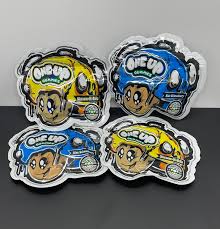
The name is a clear nod to the famous mushroom power-up in Super Mario Bros — a piece of visual branding that has proven highly effective at making the product recognizable on shelves and in images. The packaging is bold, cartoon-forward, and unmistakably nostalgic, which has helped it gain traction especially among younger adult audiences.
It’s worth noting upfront that “One Up Gummies” is not a single, tightly regulated brand with one manufacturer. You’ll find products with similar or identical branding from different producers, which means consistency varies significantly. Some products sold under this name are benign functional mushroom supplements; others contain psychoactive compounds that demand serious attention to dosage and set and setting.
For the purposes of this review, we focus primarily on the psilocybin-containing and psilocybin-adjacent versions — specifically those containing psilocybin mushroom extract or Amanita muscaria extract — since these are the ones most widely discussed, most widely sought, and most important to understand from a harm-reduction perspective.
The Legal Landscape
Psilocybin remains a Schedule I controlled substance under federal law in the United States, as well as being illegal in most countries worldwide. Products openly sold as “psilocybin gummies” on mainstream retail shelves are almost certainly not accurately labeled — they likely contain legal alternatives such as muscimol, functional mushroom blends, or other compounds that produce mild psychoactive or nootropic effects.
In states where psilocybin has been decriminalized or where medical use is being developed (Oregon, Colorado), the landscape is shifting, but regulations around consumer products are still being established. Always check the current law in your jurisdiction before purchasing or consuming any product in this category.
2. Ingredients & Formulation Breakdown
The ingredient list of One Up Gummies varies by source and product line, which makes a blanket analysis difficult. However, we can break down the most commonly seen formulations:
Version A: Functional Mushroom Blend
Many products sold under the One Up name in mainstream retail are functional mushroom gummies containing no psychoactive compounds. These typically include:
Lion’s Mane (Hericium erinaceus): The workhorse of the functional mushroom world. Lion’s mane contains compounds called hericenones and erinacines, which have been studied for their potential to stimulate nerve growth factor (NGF) production. NGF plays a role in the maintenance and growth of neurons. Regular consumption of lion’s mane has been associated in preliminary research with improved cognitive function, reduced anxiety, and enhanced focus. It’s the most scientifically credible ingredient in the functional mushroom supplement category.
Reishi (Ganoderma lucidum): Known in traditional Chinese medicine as the “mushroom of immortality,” reishi is prized for its adaptogenic properties. It contains beta-glucans and triterpenes that may support immune regulation and reduce stress. Reishi is generally calming rather than stimulating — a common companion to lion’s mane in cognitive support blends.
Chaga (Inonotus obliquus): Rich in antioxidants, particularly betulinic acid, chaga is often included for its potential anti-inflammatory and immune-supporting properties. It contributes little in terms of psychoactive effect but adds to the overall wellness profile of the blend.
Cordyceps (Cordyceps militaris or sinensis): Associated with energy, stamina, and oxygen utilization. Cordyceps is popular in athletic communities and adds a mild stimulant-adjacent quality to blends — not from caffeine or amphetamine-like compounds, but from improved cellular energy pathways.
Version B: Amanita Muscaria Extract (Muscimol)
Some One Up Gummies products — particularly those sold in states where psilocybin remains fully illegal but muscimol occupies a legal gray area — contain Amanita muscaria extract. The primary psychoactive compound in Amanita muscaria is muscimol, a GABA-A receptor agonist. This is fundamentally different from psilocybin, which acts on serotonin receptors.
Muscimol produces a dreamlike, sedating, dissociative experience — often described as closer to a heavy alcohol-cannabis hybrid than a classical psychedelic. It is not a “gentle” alternative to psilocybin. Effects can be unpredictable, and the dose-response curve is steep. We’ll cover this in detail in the dosage section.
Version C: Psilocybin Extract
In underground markets, decriminalized jurisdictions, or emerging regulated markets, One Up Gummies containing actual psilocybin extract are also available. These are the products most aligned with the classic “magic mushroom” experience. Psilocybin is converted in the body to psilocin, which acts as a partial agonist at serotonin 5-HT2A receptors. This mechanism is responsible for the characteristic visual distortions, emotional amplification, ego dissolution, and time distortion associated with classical psychedelics.
Other common inactive ingredients across all versions: Pectin or gelatin (gummy base), cane sugar, citric acid, natural fruit flavors, coconut oil, sunflower lecithin, and natural colorings. Vegan-friendly versions use pectin in place of gelatin.
Important: Always read the label carefully. “Mushroom gummies” is a broad term that can mean anything from mild lion’s mane supplements to potent Amanita muscaria extracts. The specific compound present determines everything about the experience and the appropriate dose.
3. Effects: What to Expect
The effects of One Up Gummies depend almost entirely on which formulation you’re consuming. Let’s break this down by product type.
Functional Mushroom Version (Lion’s Mane Dominant)
These produce no perceptual psychoactive effects. What users typically report after consistent use over days and weeks:
Improved mental clarity and reduced brain fog, particularly noticeable in the morning hours. A subtle but meaningful reduction in anxiety, especially in social settings. Improved sleep quality when reishi is included in the blend. A gentle, stable mood baseline — not euphoria, but something more like resilience. Enhanced verbal fluency and recall over time.
These are cumulative effects that build over weeks of regular use. Do not expect to take one gummy and feel dramatically different within an hour. If you do feel something intense immediately, question whether the product is correctly labeled.
Amanita Muscaria (Muscimol) Version
Effects are psychoactive and begin within 30–90 minutes of consumption, depending on stomach contents and individual metabolism. The experience is characterized by:
A heavy, dreamlike sedation that can border on dissociation at higher doses. Objects and surroundings may appear to shift in size (macropsia or micropsia — a “things look bigger or smaller” effect that was famously incorporated into Alice in Wonderland). Euphoria that is warm and hazy rather than the sharp, crystalline clarity of classical psychedelics. Auditory and visual effects that are less structured than psilocybin — more like hypnagogic imagery than geometry. Significant impairment of motor coordination. A tendency toward deep, vivid dreaming if sleep occurs during the experience.
Many users describe the muscimol experience as pleasant in small to moderate doses but chaotic and disorienting at higher doses. Unlike psilocybin, which often produces profound introspective experiences, muscimol tends toward confusion and incoherence at higher doses — which is why precise dosing is especially critical.
Psilocybin Version
This is the formulation most associated with transformative or therapeutic experiences. Effects vary significantly with dose — from a mild, creativity-enhancing microdose to a full entheogenic journey at higher doses. Common effects include:
Perceptual enhancements: colors appear more saturated, surfaces may appear to breathe or ripple, geometric patterns may be visible with eyes closed. Emotional openness: a lowering of psychological defenses, heightened empathy, and increased emotional sensitivity. Introspection: thoughts loop back on themselves in ways that feel profound — some of these insights retain meaning after the experience, others don’t. Ego dissolution at higher doses: the sense of self becomes permeable or disappears entirely, which can be either the most meaningful or most frightening aspect of the experience. Laughter, awe, and a sense of connectedness are very common at moderate doses. Nausea in the first 30–60 minutes is a common side effect.
4. Dosage Guide: Finding Your Sweet Spot
This is the most critical section of this guide. Dosage determines everything — whether you have a pleasant, manageable experience or an overwhelming one. We’ll provide dosage frameworks for both psilocybin and muscimol versions, as these are the ones where dosing errors carry meaningful consequences.
Disclaimer: This dosage information is provided for harm reduction purposes. Psilocybin is illegal in most jurisdictions. Nothing in this guide constitutes medical advice or encouragement to engage in illegal activity. Always know the laws in your area and consult a qualified healthcare professional if you have any health conditions.
Psilocybin Dosage Framework
Psilocybin dosing is typically discussed in milligrams of psilocybin or in grams of dried mushroom equivalent. Most One Up Gummies that are labeled list their psilocybin content in milligrams per gummy. Here is how to interpret those numbers:
| Dose Level | Psilocybin (mg) | Dried Mushroom Equiv. | Expected Effects |
|---|---|---|---|
| Microdose | 0.5 – 2 mg | 0.1 – 0.3g | Sub-perceptual. Enhanced focus, mild mood lift. No hallucinations. |
| Mini Dose | 2 – 5 mg | 0.3 – 0.75g | Subtle perceptual shift. Light euphoria. Suitable for social situations. |
| Moderate | 5 – 15 mg | 0.75 – 2g | Clear psychedelic effects. Visuals, emotional depth. Set and setting important. |
| Strong | 15 – 25 mg | 2 – 3.5g | Intense. Ego softening or dissolution. Requires experienced guide or trusted companion. |
| Heroic / High | 25 mg+ | 3.5g+ | Full ego dissolution. Only for experienced users. Not recommended without preparation. |
The majority of One Up Gummies products on the market (where psilocybin is the active ingredient) contain between 3.5mg and 10mg of psilocybin per gummy, with packs commonly totaling 15mg to 40mg across multiple pieces. If a product claims 1g or more of “mushroom extract per gummy,” note that extract concentration varies — a 1g low-concentration extract may contain less psilocybin than a 200mg high-concentration extract.
Muscimol Dosage Framework
Muscimol dosing is less well-charted than psilocybin, partly because Amanita muscaria has greater variability in potency between specimens, and partly because muscimol’s pharmacology differs significantly. Typical gummy formulations list dosing in milligrams of Amanita extract or milligrams of muscimol directly.
| Dose Level | Muscimol (mg) | Amanita Extract Equiv. | Expected Effects |
|---|---|---|---|
| Threshold | 2 – 5 mg | ~500mg extract | Very mild relaxation. Slight body heaviness. May go unnoticed. |
| Light | 5 – 10 mg | 500mg – 1g extract | Calm, dreamlike state. Mild visual softening. Good for sleep. |
| Moderate | 10 – 15 mg | 1 – 2g extract | Noticeable dissociation. Hypnagogic imagery. Avoid operating anything. |
| Strong | 15 – 25 mg | 2 – 3g extract | Significant confusion, deep sedation, size distortions. Difficult to navigate. |
| Very Strong | 25 mg+ | 3g+ extract | Delirium. Not recommended. Risk of injury from disorientation is high. |
Muscimol note: Unlike psilocybin, muscimol is not well-studied for safety at higher doses. The therapeutic index — the range between effective dose and potentially harmful dose — is not clearly established. If you are experimenting with muscimol-containing products, always start at the absolute lowest dose and wait the full onset window before considering additional consumption.
5. Onset Time, Duration & Intensity
One of the most important practical facts about any edible psychedelic is that onset time is delayed and variable. This is the primary reason why people accidentally take too much — they don’t feel anything after 45 minutes, assume the dose was insufficient, and take more. The second dose then compounds with the first and arrives with full force.
Psilocybin Gummies: Timing Profile
Onset: Typically 30–75 minutes after consumption on an empty stomach. With food, onset may be delayed to 90–120 minutes. Some individuals report onset as late as 2 hours.
Come-up: The transitional phase between feeling nothing and feeling the full effects. Usually 15–45 minutes. Often characterized by a building body buzz, mild nausea, and a sense of anticipation or unease.
Peak: Reached approximately 2–3 hours after consumption. This is the period of most intense perceptual effects and emotional amplification. Duration of peak: 1–2 hours.
Plateau: Following the peak, effects remain elevated but become more manageable. The plateau phase typically lasts 1–2 hours.
Come-down: A gradual return to baseline. Most users feel substantially normal by hour 5–6, though afterglow effects — a warm, reflective residual glow — often persist for several more hours.
Total Duration: 4–6 hours at moderate doses. Up to 8 hours at higher doses.
Muscimol Gummies: Timing Profile
Muscimol’s timing is similar but often described as longer-tailed and more sedating throughout.
Onset: 30–90 minutes, with high variability based on stomach contents and individual GABA receptor sensitivity.
Peak: 2–3 hours post-consumption. Often marked by strong sedation, dreaminess, and potential for heavy imagery with closed eyes.
Duration: 4–8 hours total, with a tendency toward falling asleep during the experience at higher doses.
Aftereffects: Many muscimol users report a “hangover” the following morning — grogginess, slight headache, and difficulty concentrating. This distinguishes it clearly from psilocybin, which typically produces an afterglow rather than a hangover.
Golden rule: Always wait at least 90–120 minutes before deciding the dose was insufficient. Edibles have variable absorption rates, and the most common dosing mistake is redosing too early.
6. Dosing by Experience Level
Your prior experience with psychedelics or psychoactive substances is perhaps the most important variable in determining an appropriate starting dose. Here is how to approach One Up Gummies based on your background:
Complete First-Timers
If you have never taken psilocybin or similar psychedelics before, resist the temptation to jump in at a “moderate” dose because a friend had a good experience at that level. Individual sensitivity varies enormously, and there is no reliable way to predict your response without a gentle test dose.
For psilocybin gummies: Start with a mini dose — a single gummy containing no more than 2–3mg of psilocybin. This will give you a feel for how your nervous system responds without risking an overwhelming experience. Plan to do nothing else that day. Have water, snacks, comfortable clothing, and a calm environment ready.
For muscimol gummies: Start at the lowest listed serving size, ideally one gummy, and wait the full 90 minutes before assessing. Many first-timers find that a single muscimol gummy in the 5–7mg range is sufficient to produce a notable effect.
Psychedelics-Curious (Some Cannabis Experience)
Cannabis experience, while valuable for general comfort with altered states, does not translate directly to psychedelic sensitivity. However, people comfortable with the disorientation and sensory changes of strong cannabis are often better equipped to navigate mild psychedelic effects. A mini to moderate dose (3–8mg psilocybin) is appropriate as a starting point.
Experienced Psychedelic Users
If you have prior experience with LSD, MDMA, DMT, or psilocybin mushrooms, you have a reference point for your sensitivity and response. However, note that gummies and edibles can behave differently from dried mushrooms or blotters due to the absorption profile and extraction method. Be somewhat conservative for your first experience with a specific product even if you are an experienced user overall.
A useful approach: take half of what you would typically consume in dried mushroom form for your first experience with a new gummy product, then adjust subsequent experiences based on how that felt.
The Microdosing Protocol
Microdosing refers to taking a sub-perceptual dose of a psychedelic — typically 1/10th to 1/20th of a full recreational dose — on a regular schedule to achieve cognitive, emotional, or creative benefits without any hallucinatory effects.
The most commonly used microdosing protocols for psilocybin are the Fadiman Protocol (one microdose every three days) and the Stamets Protocol (four days on, three days off, with additional functional mushrooms). A typical microdose for psilocybin gummies is 0.5–2mg. If a gummy contains 5mg total, this means consuming one-quarter to one-half of a single gummy.
Microdosing is best approached as a months-long experiment rather than a quick fix. Most users who report meaningful benefits describe a gradual shift in baseline mood, flexibility, and clarity over 4–8 weeks of consistent use, not dramatic day-one changes.
7. Safety, Side Effects & Precautions of One Up Gummies Review
Psilocybin has a well-established safety profile relative to many controlled substances — it is physiologically non-toxic, does not produce dependence in the clinical sense, and has no established lethal dose in humans. However, “safe” and “risk-free” are not the same thing. There are meaningful psychological and situational risks associated with psychedelic use that every user must understand.
Psychological Risks
Anxiety and panic: The most common adverse effect during a psychedelic experience. This is especially likely if the dose is higher than expected, if the set (mindset) or setting (environment) is uncomfortable, or if the user struggles to let go of control. The majority of difficult experiences can be navigated by lying down, closing your eyes, focusing on your breath, and reminding yourself that the experience is temporary.
Latent mental health conditions: Psychedelics can precipitate the onset or worsening of latent psychotic disorders, particularly in individuals with a personal or family history of schizophrenia or bipolar disorder type I. This is not a reason to avoid psychedelics universally, but it is a genuine contraindication that deserves serious weight. If you have a history of psychosis, consult a psychiatrist before experimenting with any psychedelic substance.
Challenging experiences: Sometimes called “bad trips,” these are experiences characterized by fear, paranoia, existential dread, or distressing imagery. Research consistently shows that even challenging experiences often produce lasting positive growth — but this is not guaranteed, and the experience itself can be deeply frightening. Having a trusted, sober companion present (a “trip sitter”) dramatically reduces the risk of a difficult experience becoming a traumatic one.
Drug Interactions
SSRIs and SNRIs: Selective serotonin reuptake inhibitors (common antidepressants like fluoxetine, sertraline, and escitalopram) significantly blunt or eliminate psilocybin’s effects through receptor downregulation. If you are currently taking SSRIs, psilocybin gummies may produce minimal or no effect, which can lead to over-dosing in an attempt to “feel something.” Never discontinue psychiatric medication to take psychedelics without medical guidance.
Lithium: Combining lithium with psilocybin has been associated with seizures and serious adverse events in case reports. This combination should be considered absolutely contraindicated.
MAOIs (monoamine oxidase inhibitors): Can significantly potentiate psilocybin, leading to unexpectedly intense and prolonged experiences. Exercise extreme caution.
Cannabis: The combination of cannabis and psilocybin is extremely common but significantly increases the intensity and unpredictability of the psychedelic experience, particularly during the peak. Inexperienced users should avoid combining the two.
Physical Side Effects
Common physical side effects of psilocybin include nausea (most common in the first hour), yawning, dilated pupils, elevated heart rate, mild increase in blood pressure, and temperature dysregulation (feeling alternately hot and cold). These are typically transient and resolve as the come-up completes.
Muscimol may additionally produce salivation, muscle twitching, and more pronounced sedation than psilocybin.
HPPD (Hallucinogen Persisting Perception Disorder)
HPPD is a rare condition in which perceptual disturbances (visual snow, trailing, halos around lights) persist after a psychedelic experience. It is more strongly associated with LSD use but has been reported with psilocybin. Risk factors appear to include polydrug use, very high doses, and preexisting anxiety disorders. It is important to be aware of this possibility, though for the vast majority of users it does not occur.
Safety baseline: For any psychedelic experience beyond a microdose, have a trusted sober person present or nearby, know where you are and that you’ll be staying there, have water and light food available, and don’t make any plans for the day. The experience is the plan.
8. Pro Tips for the Best Experience
The difference between a merely pleasant experience and a genuinely transformative one often comes down to preparation. Here are the factors that experienced users consistently identify as most important:
Set: Your Mindset Going In
Psychedelics amplify and reflect what you bring to the experience. If you are going through a period of acute stress, grief, or anxiety, that emotional material will be present in the experience — sometimes with useful clarity, sometimes in ways that feel overwhelming. This doesn’t mean you should wait for “perfect” circumstances (which rarely arrive), but it does mean checking in with yourself before dosing and being honest about whether this is a good time.
Many experienced users recommend setting an intention before dosing: a simple, clear statement of what you are hoping to explore, understand, or release. The intention doesn’t have to be heavy — “I want to feel joy and creativity” is as valid as “I want to understand my relationship with my parents.” But having one gives your subconscious somewhere useful to go.
Setting: Your Physical Environment
Your surroundings matter enormously. An ideal setting for a meaningful psychedelic experience is comfortable, safe, aesthetically pleasing, and free of unexpected social obligations. Many people find that nature — a garden, park, or forest — is the most conducive environment for moderate to strong doses. For indoor experiences, prepare your space in advance: dim the lights, put together a playlist, set out blankets and pillows, remove unnecessary clutter, and make sure you won’t be disturbed.
Avoid crowded public places, unfamiliar environments, or anywhere you might need to perform social roles or make important decisions during the experience.
Fasting and Timing
Most experienced users recommend fasting for 3–4 hours before taking psilocybin gummies. This reduces nausea and promotes more reliable, faster onset. However, having a light meal a few hours prior (rather than being fully empty all day) can help prevent blood sugar dips that increase anxiety.
Morning or early afternoon dosing is generally preferable to evening dosing, since the experience will resolve well before typical sleep time. Starting a 4–6 hour journey at 9pm often means the peak arrives around 11pm–midnight, making sleep difficult and the come-down somewhat anxious.
Surrender to the Experience
One of the most common mistakes first-time psychedelic users make is attempting to resist or suppress the experience when it intensifies. This almost always increases anxiety and difficulty. The counterintuitive advice that experienced users universally offer is this: when the experience intensifies, lean in rather than pull back. Breathe, relax your body consciously, and allow the experience to unfold rather than fighting it.
This is much easier said than done in practice — but having it as a framework in your mind before the experience begins can be genuinely helpful when you need it most.
Integration After the Experience
The period following a meaningful psychedelic experience — typically the days and weeks after — is when the real value is created or lost. Many people have profound realizations during a psychedelic experience that quickly fade without integration. Journaling immediately after the experience captures insights while they are vivid. Discussing the experience with a trusted person helps process emotional content. Giving yourself unstructured time the following day (rather than immediately returning to a demanding schedule) allows the experience to “settle.”
Increasingly, therapists and coaches who specialize in psychedelic integration are available for those who want structured support in processing what they experienced.
9. One Up vs. Competing Gummies
The market for mushroom gummies and psychedelic-adjacent edibles has expanded enormously in the past few years. Here is how One Up gummies compare to some of the most commonly discussed alternatives:
One Up Gummies — Strengths
- Strong brand recognition and community trust
- Wide availability across multiple channels
- Multiple formulations available for different needs
- Appealing flavor profiles in most versions
- Consistent dosing in quality-controlled versions
One Up Gummies — Weaknesses
- Brand name used by multiple unrelated producers
- Lab testing inconsistent across sources
- Packaging sometimes mimics candy (child risk)
- Highly variable quality in gray market versions
- Limited transparency on extract methods
Versus other mushroom gummy brands: Premium competitors like those in emerging regulated markets (Oregon, Colorado) have COAs (certificates of analysis) from third-party labs, precise dosing, and transparent sourcing. If you are in a jurisdiction where tested, regulated products are available, those are almost always preferable to unregulated alternatives — even well-known ones — because the dosing reliability difference alone dramatically affects safety.
For functional mushroom supplements (non-psychoactive), there are many credible, well-tested brands that are fully legal and widely available. If your interest is cognitive enhancement and stress reduction rather than psychedelic experiences, products from established supplement brands with NSF or USP certification offer better quality assurance than anything sold in a gray market.
10. Frequently Asked Questions
How long do One Up Gummies stay in your system?
Psilocybin is metabolized relatively quickly. Active psilocin is generally cleared from the bloodstream within 24 hours. Standard urine drug tests do not screen for psilocybin. However, specialized immunoassay tests can detect it within a 24-hour window. Hair follicle tests can theoretically detect psilocin metabolites for up to 90 days, though this is not common in standard testing panels.
Can you build a tolerance to One Up Gummies?
Yes, and this is one of the most important pharmacological facts about psilocybin: tolerance develops extremely rapidly. Taking psilocybin on consecutive days results in significantly diminished effects on the second and third day. Full tolerance resets typically require 2–3 weeks of abstinence. This is why microdosing protocols are spaced out — every-day dosing would quickly produce no effect at all.
Muscimol does not share the same cross-tolerance as classical psychedelics, so tolerance dynamics differ.
Are One Up Gummies safe to take with alcohol?
Alcohol is generally considered incompatible with psychedelic experiences. It blunts the effects of psilocybin, increases nausea, and can interfere with the emotional clarity that makes the experience valuable. More practically, being intoxicated removes the ability to navigate a difficult experience effectively. Avoid alcohol on the day of use.
What should I do if someone is having a bad trip?
Stay calm — your anxiety will amplify theirs. Move them to a quiet, comfortable space away from stimulation. Speak in a slow, gentle, reassuring voice. Physical contact (holding a hand, placing a hand on the shoulder) is often helpful if welcomed. Remind them that what they are experiencing is temporary, that they are safe, and that you are with them. In rare cases where someone is in genuine physical danger or completely unresponsive, emergency services should be called. In most cities and many countries, Good Samaritan laws provide some protection from prosecution when seeking emergency medical help for substance-related emergencies.
Can One Up Gummies be used therapeutically?
Psilocybin is one of the most actively researched substances in clinical psychiatry today. Studies from Johns Hopkins, NYU, and Imperial College London have demonstrated significant efficacy for treatment-resistant depression, end-of-life anxiety, tobacco cessation, and alcohol use disorder. However, the therapeutic context in these studies is carefully structured — doses are administered in controlled settings with trained therapists present and extensive preparation and integration support.
Consumer gummies purchased outside regulated frameworks do not replicate this context. If you are experiencing a mental health condition, psilocybin-assisted therapy through legal, licensed channels (where available) is a fundamentally different proposition from recreational self-administration.
Do One Up Gummies expire?
Yes. Psilocybin degrades over time, especially when exposed to light, heat, or moisture. Most gummies have a printed expiration date. Beyond that date, potency may be reduced but the product is unlikely to become dangerous. Store unopened gummies in a cool, dark, airtight location for maximum shelf life.
What flavors do One Up Gummies come in?
Flavor offerings vary by manufacturer and formulation. Common flavors include watermelon, mango, strawberry, blue raspberry, tropical punch, and peach. Most users report that the gummies taste pleasant, with the mushroom flavor largely masked by the fruity formulation. Some Amanita muscaria versions have a more earthy, distinctive taste that comes through even with flavoring.
Is there a difference between chewing and swallowing versus sublingual absorption?
Some users experiment with holding the gummy under the tongue for a few minutes before swallowing, theorizing that sublingual absorption speeds onset. The evidence for this is largely anecdotal for gummies specifically — the gelatin or pectin matrix needs to dissolve in the stomach for most of the active compound to become available. However, some psilocybin is present in free form in some formulations. If faster onset is desired, consuming on an empty stomach and staying hydrated is more reliably effective.
Potency Accuracy
7.2
Flavor & Texture
8.5
Accessibility
8.0
Value for Money
7.0
Safety & Testing
6.0
Harm Reduction Info
6.5
11. Final Verdict on One Up Gummies Review
One Up Gummies occupy a complicated place in the psychedelic and functional wellness space. As a brand name, they have earned genuine recognition and a loyal following. As a consumer product, they demand more scrutiny than the branding invites.
The functional mushroom versions — lion’s mane, reishi, cordyceps blends — are worth considering if you are looking for adaptogenic cognitive support with no psychoactive risk. Provided they are sourced from reputable manufacturers (which requires reading beyond the nostalgic packaging), these are no different in principle from any other quality mushroom supplement.
The muscimol and psilocybin versions deserve deep respect and careful preparation. They are not party drugs or casual novelties, regardless of how playful the packaging makes them appear. Used thoughtfully, at appropriate doses, with proper set and setting, these compounds have genuine potential for meaningful and even therapeutic experiences. Used carelessly, they can produce frightening, disorienting, or genuinely harmful outcomes.
Our overall recommendation: if you are curious about One Up Gummies or similar products, invest as much time in education and preparation as you do in finding the product itself. This guide is a starting point. The broader literature on psychedelic harm reduction, set and setting, and integration — from organizations like MAPS, the Multidisciplinary Association for Psychedelic Studies, and Zendo Project — provides invaluable additional context.
Know what you are taking. Know how much you are taking. Know your environment and who you trust. The rest tends to take care of itself.
Overall Rating
7.2
A well-recognized product with meaningful potential, held back by inconsistent sourcing and the complexity of navigating an unregulated market. Worth the time to research thoroughly before purchasing.
A final note on harm reduction: If you are in the United States and want to have a substance tested before consuming it, DanceSafe (dancesafe.org) provides reagent test kits that can identify the presence of psilocybin, muscimol, and other compounds. This is especially valuable when sourcing from unregulated markets where mislabeling, adulteration, or inaccurate potency claims are real concerns. Testing is not foolproof, but it is meaningfully safer than consuming an unknown product without any verification.
This article is provided for educational and harm reduction purposes only. Nothing in this guide constitutes medical or legal advice. Laws regarding psychedelic substances vary by location — always research the regulations in your jurisdiction. If you are experiencing a mental health crisis or medical emergency, contact emergency services immediately.